Early Learning/Pre-K
Hawai‘iʻs First Five
Did you know that 90% of an individualʻs brain is developed before age 5 and that about half of Hawaiʻi's keiki do not go to preschool?
Our legislators proudly put our keiki first! Through Act 46 of the Hawaiʻi Legislative Session 2020, our legislature voted unanimously in support of sustaining eighteen classrooms in charter schools previously funded through the federal Preschool Development Grant. In 2022, through Sessions Law 257, an appropriation was created to expand 30 pre-K classrooms in charter schools through a partnership with the School Facilities Authority (SFA) and the Executive Office on Early Learning (EOEL).
Evidence shows that high-quality preschool helps prepare children for later success in school and in life.
Aloha mai kākou to families of future innovators and cultural stewards!
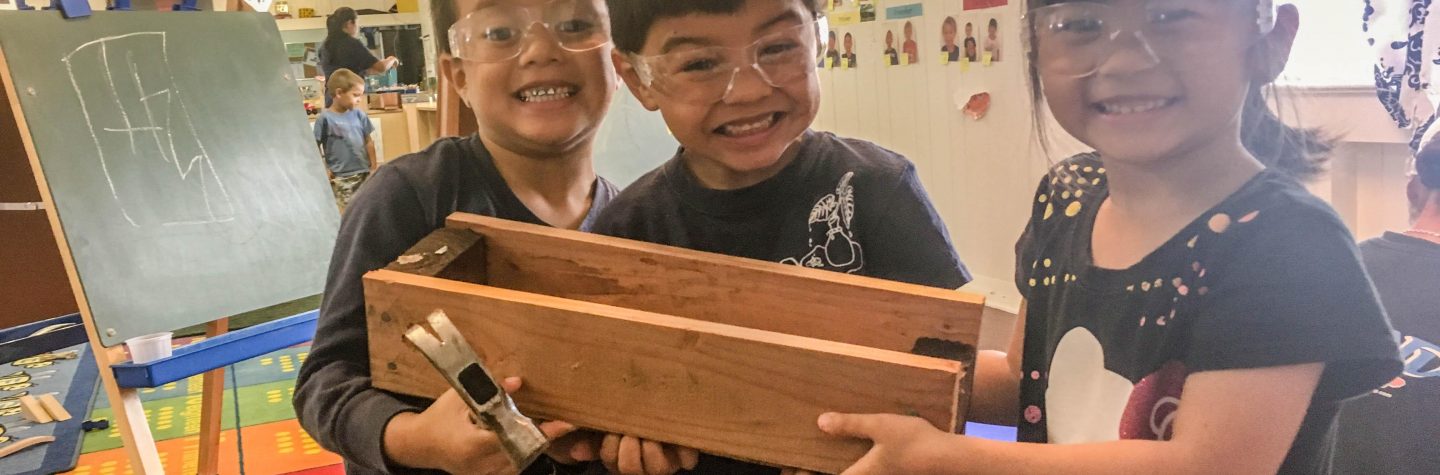
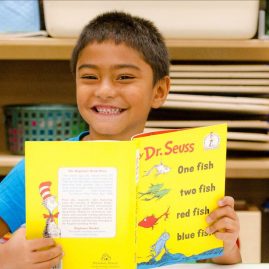
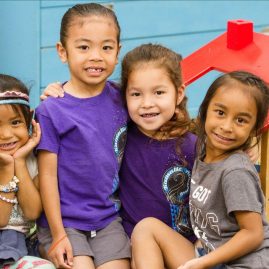
Hawaiʻi’s public charter schools continue to offer high-quality, tuition-free pre-K programs that nurture and inspire our youngest learners. These early learning opportunities are available to children who will be three or four years old by July 31, 2026.
Charter school pre-K programs provide a strong foundation for success in school and life, fostering curiosity, confidence, cultural connection, and a lifelong love of learning.
Commission staff and Early Learning team members participate in the Ready Keiki Initiative, the state’s multi-faceted plan to ensure all Hawaiʻi children are ready for kindergarten—supporting their future success and promoting economic stability for local families. Together, we are enhancing the early learning system to ensure that by 2032, 100% of all underserved children will have access to high-quality early learning opportunities.
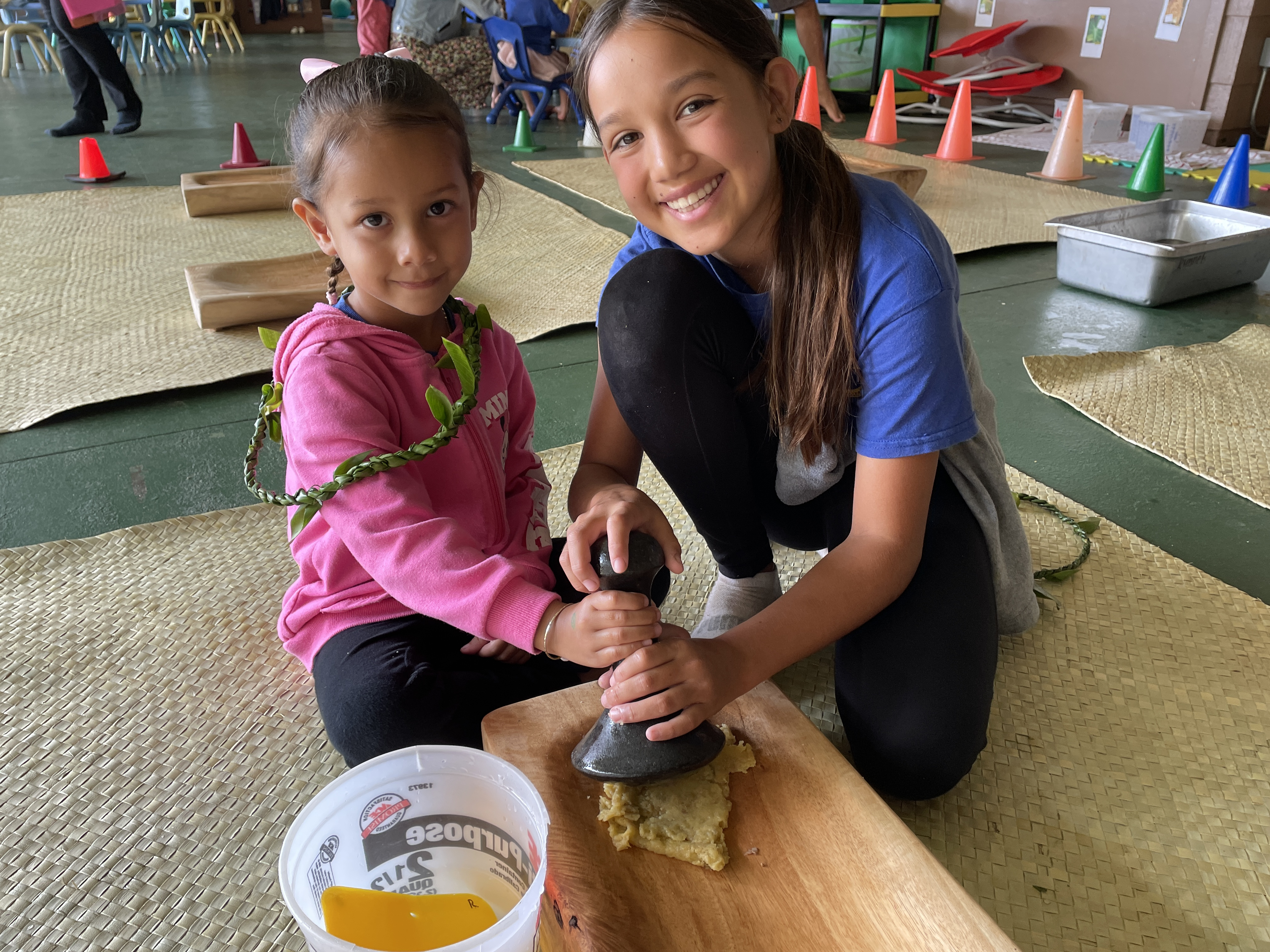 | 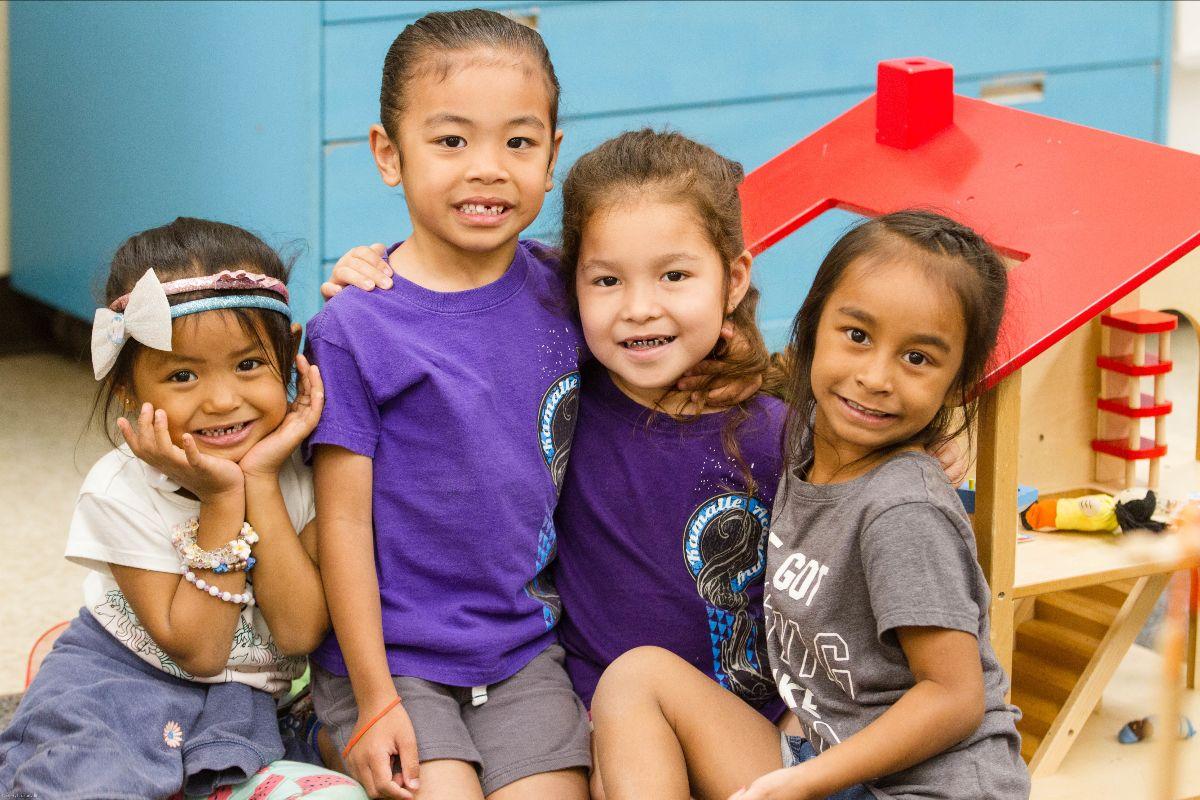 |
The commissionʻs early learning program now oversees the implementation of 33 pre-kindergarten classrooms across Hawaiʻi, with programs located on four Hawaiian Islands.
For more information or to register a child, please contact the charter school directly.
Hawaiʻi Island
- Ka ʻUmeke Kāʻeo Immersion PCS, Keaukaha (808) 982-4260
- Ke Kula ʻo Nāwahīokalaniʻōpuʻu Iki Lab PCS, Keaʻau & Waimea (808) 965-2193
- Kona Pacific Public Charter School (808)322-4900
- Kua o ka Lā New Century PCS, Pāhoa (808) 965-2193
- Kua o ka Lā New Century PCS, Hilo (808) 981-5866
- Laupāhoehoe Community PCS (808) 962-2200
- Volcano School of Arts & Sciences (808) 985-9800
Kauaʻi
- Ke Kula Niihau O Kekaha Learning Center (808) 337-0481
Molokaʻi
- Kualapuʻu School: Public Conversion Charter School (808) 567-6900
Oʻahu
- Kamaile Academy, Waiʻanae (808) 697-7110
- Ke Kula ʻo Nāwahīokalaniʻōpuʻu Iki Lab PCS, Nānākuli (808) 620-9052
- Ke Kula ʻo Samuel M. Kamakau Laboratory PCS, Kāneʻohe (808) 235-9175
- Parkway Village Preschool, Kapolei, (808) 847-3285
- Waiʻalae Elementary Public Charter School, Honolulu (808) 733-4880
- Waikīkī Community Preschool, Waikīkī (808) 923-1802
For questions, contact Deanne Goya, Early Learning Program Director at the Commission
(808)586-3775.
Investing in Pre-K and Beyond
"The Thinking Classroom" - Putting the Ideas of Project Zero into Action
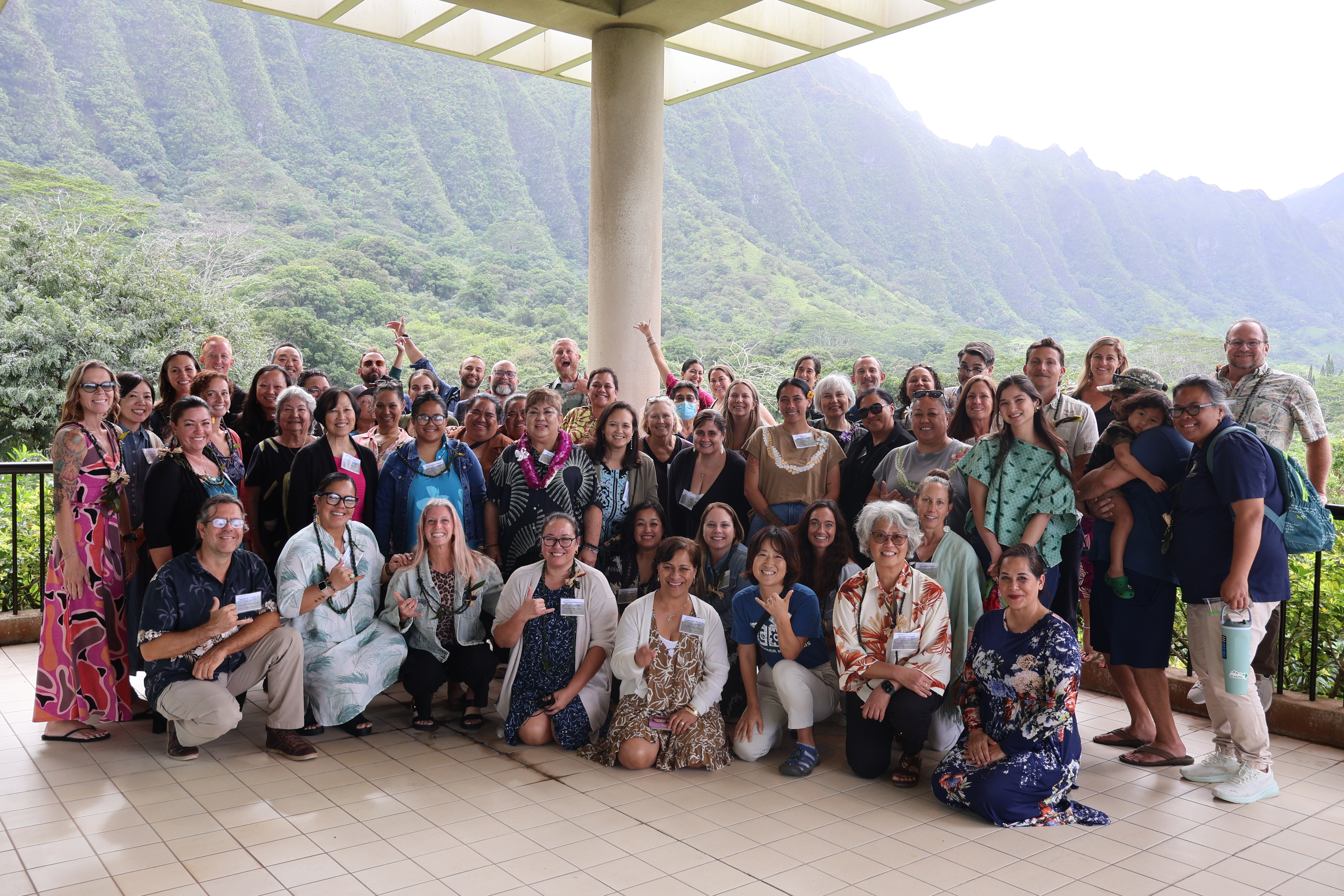
From 2020-2026, the Hawai‘i State Public Charter School Commission partnered with educators and school leaders across the state creating a strong pre-K to grade 3 charter school network that is grounded in high-quality instruction and thinking practices supporting the implementation of the Thinking Classroom framework and learning experiences inspired by Project Zero.
Thinking Classroom elements are neither a curriculum to follow nor a program to implement. Rather, these ideas engage educators in critical questions that lead teachers and school leaders into subtle, yet profound actions that help students' growth and development.
Participating schools explore core ideas, take concrete steps to carry out specific actions to enhance student learning and adapt these ideas in ways that make sense for its school and students. These actions are visible thinking practices across classroom settings, creating a system of teacher support within the school that leads to effective instructional moves in classrooms, and ongoing reflection on student learning.
Through professional learning, collaboration and innovative instructional practices, the Commission helped foster student-centered classrooms that encourage curiosity, critical thinking, creativity and deeper engagement in learning. This work reflects the Commissionʻs ongoing commitment to advancing meaningful, future-focused education opportunities for Hawai‘iʻs public charter school students.
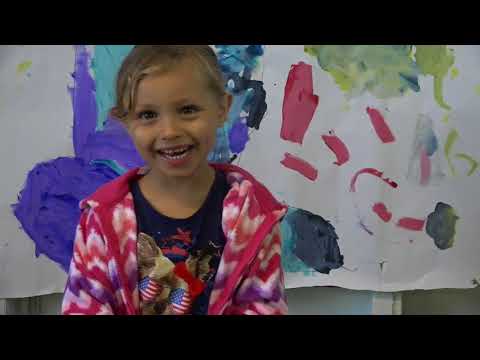
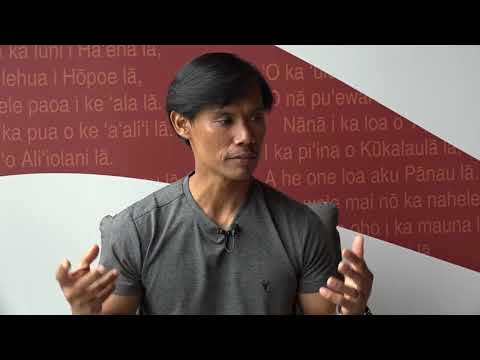
Click the image to watch the video about charter school leaders and teachers gathering at
Innovations Public School in Kona to participate in the Thinking Classroom workshop.
Navigating a New School Year:
Pre-K Kumu Gather for Annual Professional Learning Week
August 2026
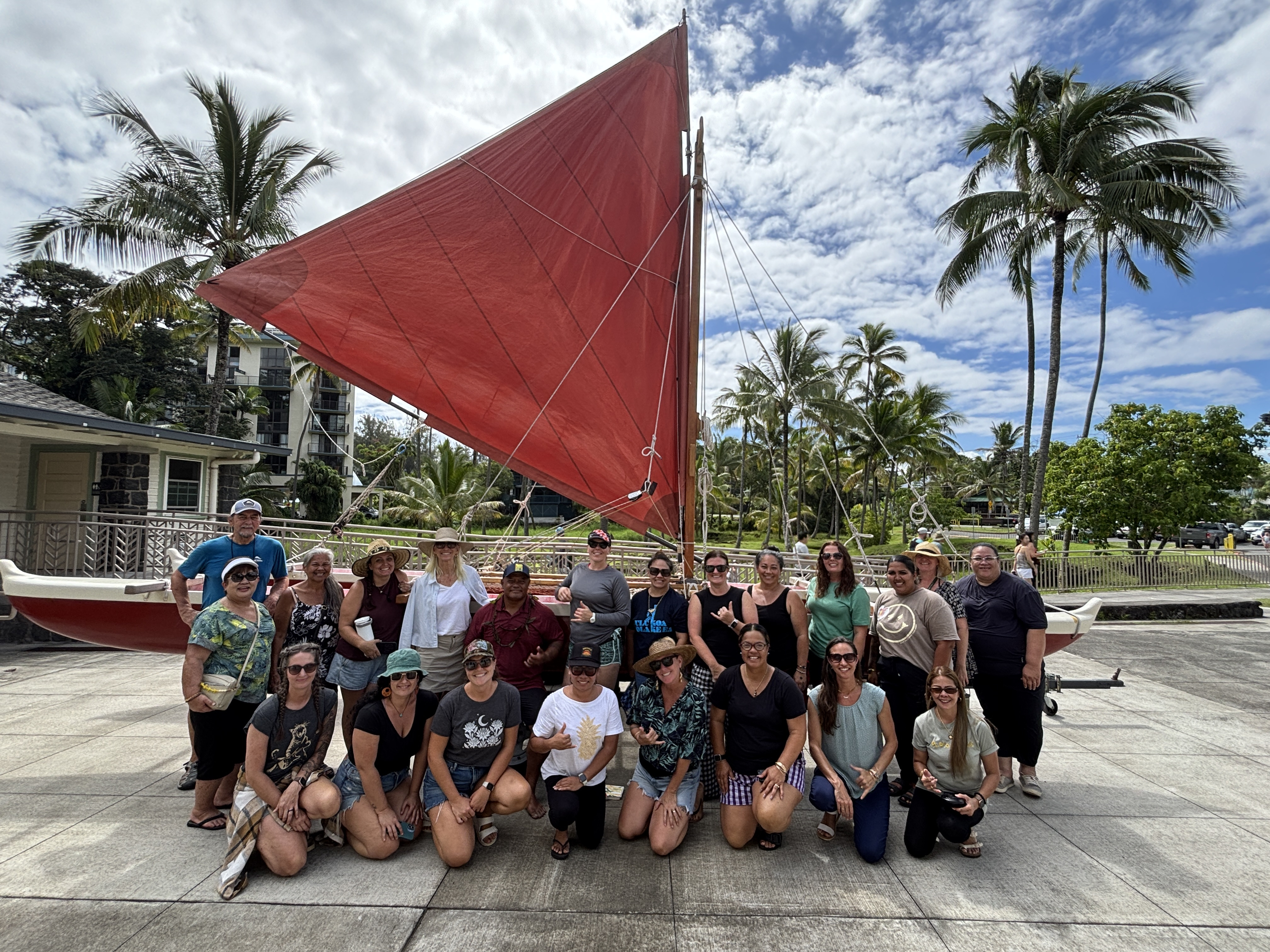
Laughter and excitement filled the air as pre-K kumu reconvened to begin the new school year. The Hawaiʻi State Public Charter School Commission’s Early Learning team hosted its 11th annual pre-service professional learning week for all 34 pre-K teaching teams.
The professional learning took place over two consecutive weeks, with one week in Hilo for Hawaiʻi Island pre-K teams, and another on Oʻahu for teams based on Oʻahu, as well as teams from Kualapuʻu on Molokaʻi and Ke Kula Niihau o Kekaha on Kauaʻi.
We continued our learning journey through the metaphor of the waʻa and hoʻokele, a canoeʻs navigational journey, as we set sail to deepen and refine our instructional practices for our pre-K haumāna (students).
With the continued support of the University of Hawai‘i at Hilo, nā Kumu Noelani Iokepa-Guerrero and Kanoe Kanakaʻole, pre-K teachers and educational assistants, continued to build on their ‘ike (knowledge) of Hawaiʻi education. They sharpened their kilo skills –first observing their environment, then applying those keen observational skills to their students and themselves as effective classroom teams.
Refining the art of kilo can inspire kumu to learn and to grow, helping them better understand the haumāna they serve and tailor lessons to individual learning styles. This approach also maximizes learning opportunities through the ʻāina of Hawaiʻi, allowing keiki and kumu to learn, live, and thrive together.
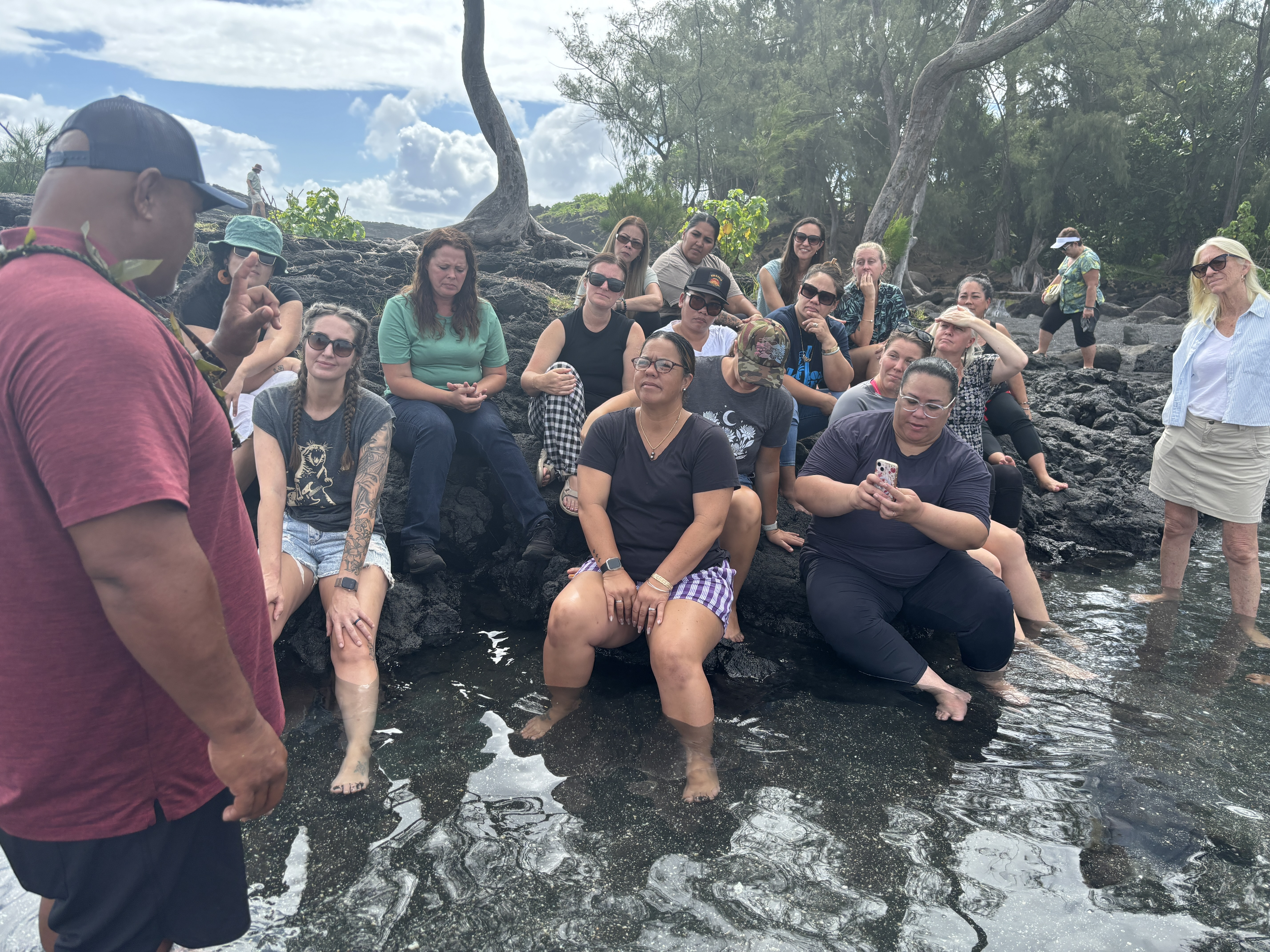
To provide a hands-on, minds-on approach to this learning, the Hilo group visited Kalani Kahalioumi at the historic Richardson House and Ocean Center at Waiʻuli Beach.
On Oʻahu, the group was fortunate to partner with Kānehūnāmoku Voyaging Academyʻs E Holo Mau program. As kumu, we prepare for the sometimes turbulent tides that may arise in our classrooms, equipping ourselves with the skills to navigate challenges and overcome them.
We recognized a throughline among these three groups of leaders: the contributions of the Micronesian Master Navigator Mau Piailug and his influence on the Hawaiian cultural renaissance and the birth of the modern Polynesian voyaging movement. We must not forget the words and wisdom of Mau and his people.
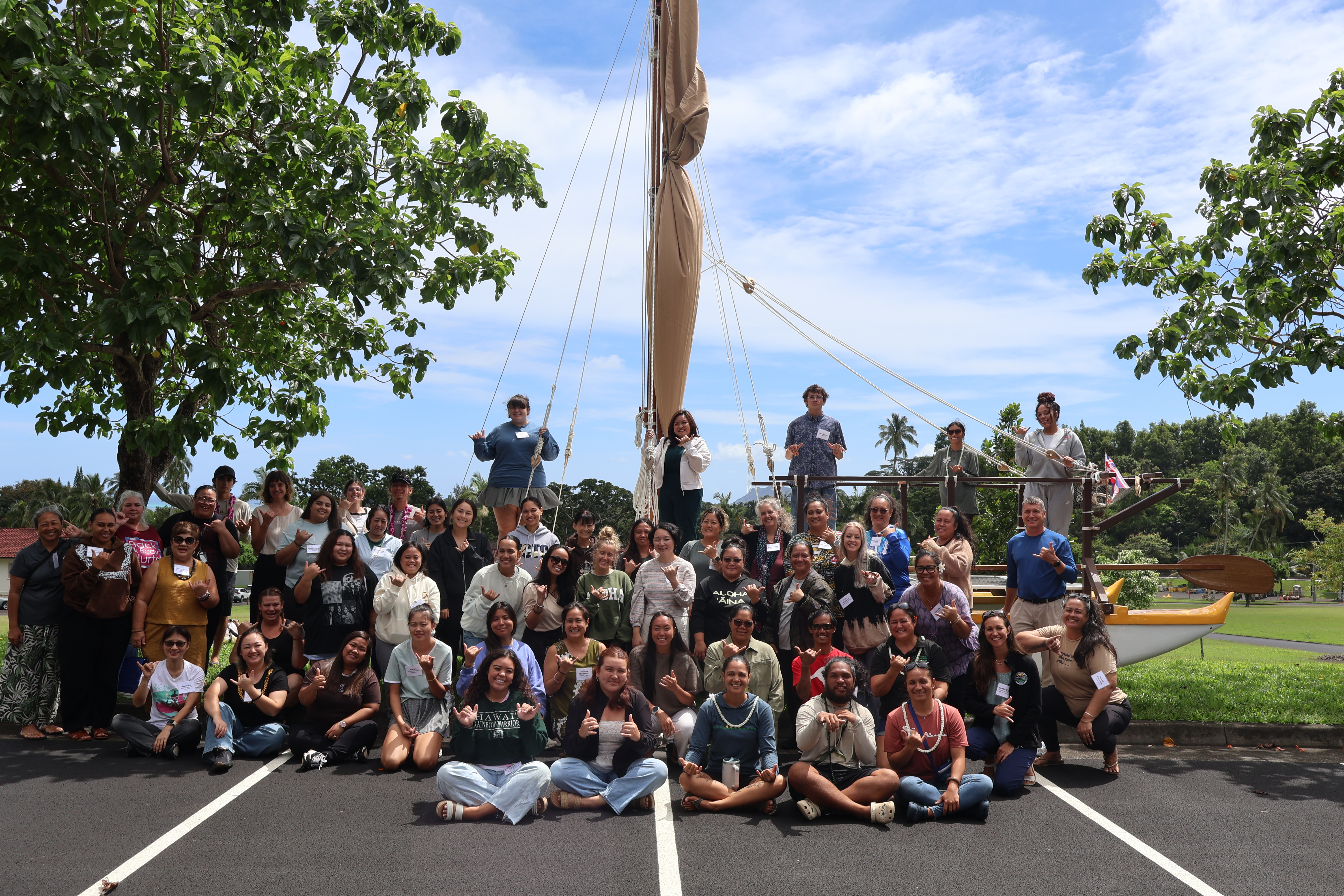
Preparing for Turbulent Tides
As we prepare for the turbulent tides, we recognize the importance of strengthening Ehuola–creating safe spaces for our kumu and keiki to live and thrive.
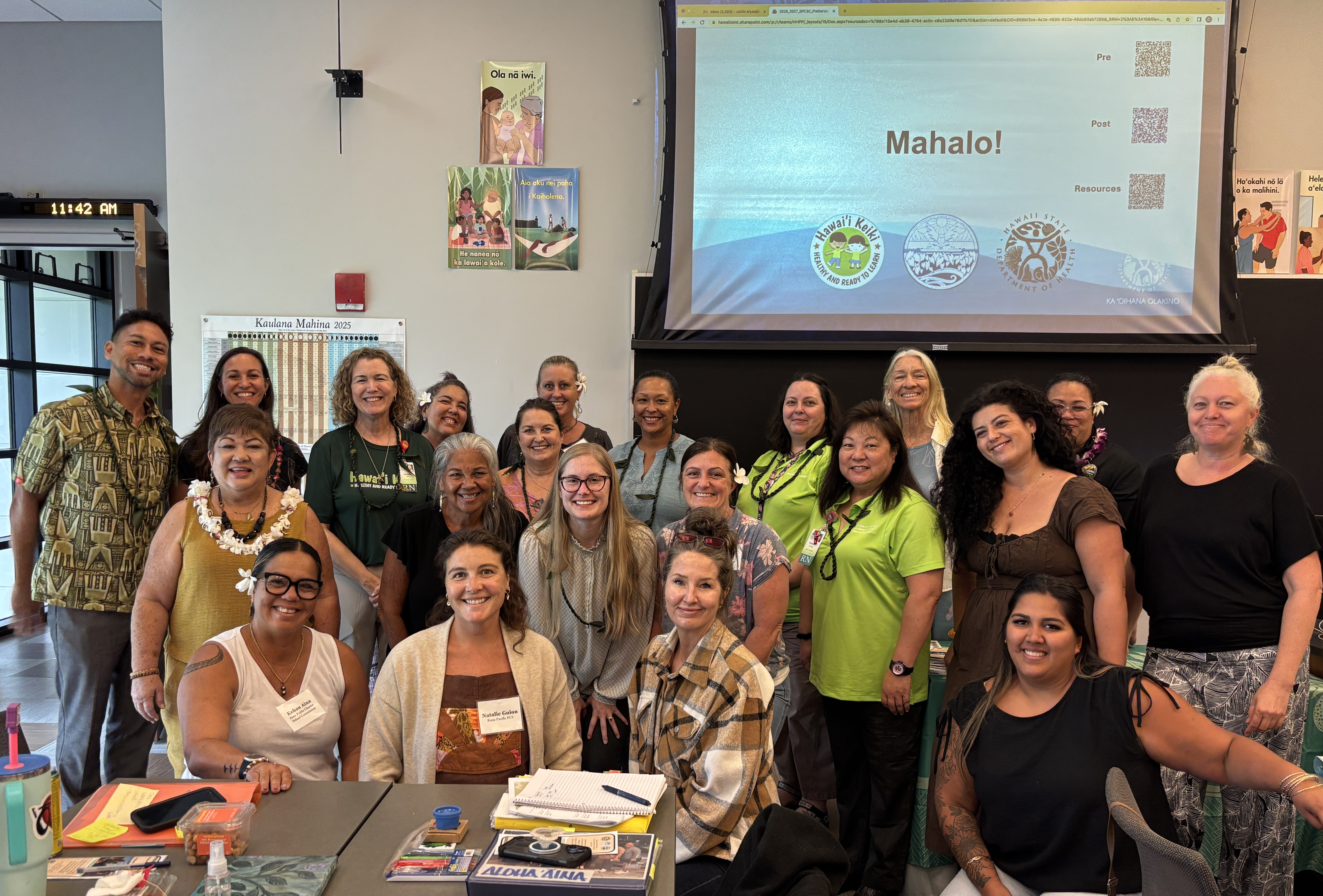
Through partnerships with the Hawai‘i Department of Health’s Environmental Health Division and Hawaiʻi Keiki Nurses, participants learned about the importance of preventing communicable diseases in our schools and communities. In recent years, an increase in unvaccinated keiki and communities, coupled with concerns about immunizations, has contributed to a rise in preventable diseases and classroom or school closures.
With the expertise and support of the Department of Health and Hawaiʻi Keiki Nurses, our pre-K teams are preparing for potentially turbulent tides through a preventive approach. Kumu learned about the cultural context of communicable diseases and their impact on Hawaiʻi’s most vulnerable populations, including newborns and young children, people who are immunocompromised, and older adults.
The focus is on preventing severe illness, long-term disability and, in some cases, death. With the help of the Department of Health and Hawaiʻi Keiki Nurses, we hope to expand this important message beyond pre-K to charter schools and communities across Hawaiʻi.
Making Math Meaningful
Though sometimes experienced as turbulent, we also explored early learning math opportunities with the guidance of seasoned kumu and early education math expert Patricia Gooch. The goal was to make math less intimidating, more meaningful and, most importantly, fun.
Kumu engaged in hana–childrenʻs work through purposeful, intentional play–using common household items to strengthen math skills and create learning opportunities. The underlying message was simple: Math is all around us.
With intention, kumu identified math concepts in their everyday surroundings and sharpened their kilo skills to expand these hana opportunities and bring them into their classrooms.
As the new school year gets underway, we are eager to see how the inspirations, connections, and learning from these professional development experiences enhance their teaching practices in early learning classrooms.
We can’t wait to see where this journey takes us!
###
Expanding High-Quality Pre-K Kumu Support Working Families
By Deanne Goya, Hawai‘i State Public Charter School Commission Early Learning Program Director

“We did it!” Anna Puaoi exclaimed. Anna (pictured above) recently graduated from the University of Hawai‘i at Mānoa College of Education and is now a licensed high-quality pre-K teacher.
Through the Federal Preschool Development Grant (PDG), I had the opportunity to submit a grant proposal to provide teachers and educational assistants across the state with access to free college-level early childhood education from 2018 through 2019. Our contract with UH and Chaminade University helped launch a statewide tuition subsidy pilot program. This pilot project was the precursor to the current Hawaiʻi Early Childhood Educator Stipend Program, funded by our state legislature beginning in 2021.
“Although smaller scholarships exist for early childhood educators, this is the first time a workforce development tuition program of this magnitude has been available through the University of Hawai‘i early childhood education program. As a result, we have been able to facilitate communication and collaboration across advising and instructional faculty on all University of Hawai‘i campuses to address barriers to enrollment, registration and degree or certificate completion," said Robyn Chun, former University of Hawai‘i graduate early childhood education director.
Anna Puaoi was one of 163 individuals in the early childhood program who benefited from the PDG and the Hawaiʻi Early Childhood Educator Stipend Program, funded by the state legislature. Despite her personal setbacks, as a recent cancer survivor, Anna, was determined to accomplish her goal of becoming a licensed pre-K teacher.
“This stipend program helped me finish my degree and reach my goal of becoming a licensed teacher in Hawaiʻi. As a full-time employee balancing the cost of living, personal challenges, and school, this funding helped reduce the stress of paying for tuition. It gave me the support I needed to continue my passion for early childhood education during difficult times," said Puaoi.
Through tuition support programs, we can better serve our keiki with expert care and guidance, while supporting our ALICE families (Asset Limited, Income Constrained, Employed) so they can contribute to Hawaiʻi’s workforce.
Mahalo for the collective efforts to make this dream a reality.
For more info, visit the EOEL Early Childhood Educator Stipend Program
*****
Hawai‘i Earns Top Preschool Quality Recognition for Fourth Year
Hawaiʻi is once again being recognized as a national leader in preschool quality, meeting all 10 benchmarks for high-quality early learning for the fourth consecutive year, according to the newly released National Institute for Early Education Research (NIEER) 2025 State of Preschool Yearbook.
This recognition places Hawaiʻi among the top states nationwide to achieve all benchmarks, reflecting the state’s ongoing commitment to providing high-quality early learning opportunities for its youngest learners.
During the 2024–2025 school year, Hawaiʻi enrolled 1,637 children in state-funded preschool programs, an increase of 611 students from the previous year. As part of a continued commitment to expanding public pre-kindergarten through a mixed-delivery system, the Executive Office on Early Learning (EOEL), Lieutenant Governor Sylvia Luke, and the Hawaiʻi State Public Charter School Commission are working together to accelerate expansion efforts statewide.
“This year, we celebrated the opening of the 100th public preschool — a major milestone in expanding access to early learning across our islands,” said Lieutenant Governor Luke, who oversees the state’s Ready Keiki plan. “It is an honor to be recognized for quality learning while remaining focused on investing in our early education workforce, strengthening partnerships and making preschool available in every community, from Hilo to Hanalei.”
Hawaiʻi’s state-funded preschool programs continue to be recognized for maintaining small class sizes, employing highly qualified teachers, implementing comprehensive learning standards, and conducting regular program assessments.
“We are proud that Hawaiʻi’s programs continue to be recognized among the highest quality in the nation,” said Yuuko Arikawa-Cross, director of EOEL. “Just as important, we are committed to ensuring that more keiki and families–particularly those in underserved communities–can access and benefit from these valuable early learning opportunities.”
"This recognition underscores the importance of early learning education in Hawai‘i and the collaboration across our state," said Dr. Ed H. Noh, executive director of the Hawaiʻi State Public Charter School Commission. "We are proud of our commitment to support free public preschool access so that we can continue to provide our keiki with a strong foundation for lifelong success."
State leaders remain focused on expanding access to pre-K, as outlined in the Hawaiʻi Early Childhood State Plan, released in early April. The plan details opening new classrooms, recruiting qualified educators, and strengthening public-private partnerships across all islands, with the shared goal of ensuring every child in Hawaiʻi has a strong start and a bright future.
State of Preschool 2025 Yearbook for Hawaii
BACKGROUND
In Hawaiʻi, the Executive Office on Early Learning (EOEL) Public Prekindergarten Program serves four-year-old children, with priority given to students considered to be “at-risk,” including those from families at 300% or below of the Federal Poverty Level. The EOEL Public Prekindergarten Program is required to operate on the same schedule as public elementary schools, providing services for 1,080 hours a year.
Beginning in SY 2020-2021, through Act 46, SLH 2020, the legislature gave statutory authority to the State Public Charter School Commission to administer the early learning program in charter schools. Act 46, SLH 2020 also changed the eligibility criteria to include both three- and four-year-old children. No other priority categories were defined. Likewise, the early learning programs in charter schools are required to operate on the same schedule as their K-6 students.
State-funded public preschool partially recovered last year from the negative impacts of the COVID-19 pandemic nationally, and in Hawaiʻi. More importantly, Hawaiʻi now has a plan to serve all three- and four-year-olds by 2032. Eleven new classrooms are planned for 2023 and an additional 80 new classrooms are planned for 2024. Hawaiʻi is one of several states addressing longstanding problems in early education across the country that have persisted as preschool access remained below pre-pandemic levels, funding was inadequate, and quality standards failed to improve, according to the 2022 State of Preschool Yearbook, released Wednesday by Rutgers University’s National Institute for Early Education Research (NIEER).
KEY FINDINGS
For School Year 2024 - 2025 are summarized below for Hawaiʻi:
Enrollment in state-funded preschool was 1,637 keiki, an increase of 611 from the prior year.
State spending for preschool programs was $13,273,747, up $5,542,752 (72%) adjusted for inflation.
State spending per child enrolled in preschool was $8,109 up $573 from 2023-24 adjusted for inflation.
Hawaiʻi met 10 of 10 quality standards benchmarks. The benchmarks include:
Early Learning and Development Standards (ELDS)
Curriculum supports
Teacher degree
Teacher specialized training
Assistant teacher degree
Staff professional development
Maximum class size (20)
Staff-child ratio (1:10).
Screening and referrals
Continuous Quality Improvement System (CQIS)

Ka ʻElele: SPCSC's Weekly E-Newsletters
Sign up to receive Ka ʻElele, the official e-newsletter of the Hawaii State Public Charter School Commission/ʻAha Kula Hoʻāmana. Ka ʻElele covers a multitude of topics and issues relevant to Hawaii's public charter schools.